THE ROLE OF THE ENGINEER IN THE MODERN CONSTRUCTION ENVIRONMENT

The problem… In an era which the flow of information is rapid, and the demands of the modern construction environment are constantly increasing, engineers find themselves, by necessity and not by choice, in a pivotal position. The government policy and legal framework of constructions are constantly changing, sometimes successfully, sometimes with signs of inadequacy, to meet the constantly changing needs […]

Tags:

Energy Consumption Optimization in Buildings

The need… Nowadays the need to reduce energy consumption and operational costs often arises. Business owners and facility executives are always searching for the best and value-for-money solutions in order to cover these needs and also meet sustainability goals. Heating, ventilation, air conditioning and refrigeration (HVAC-R) systems are a very important sector considering that these systems typically account for 44% […]

Tags:

Energy Upgrade in Refrigeration Projects

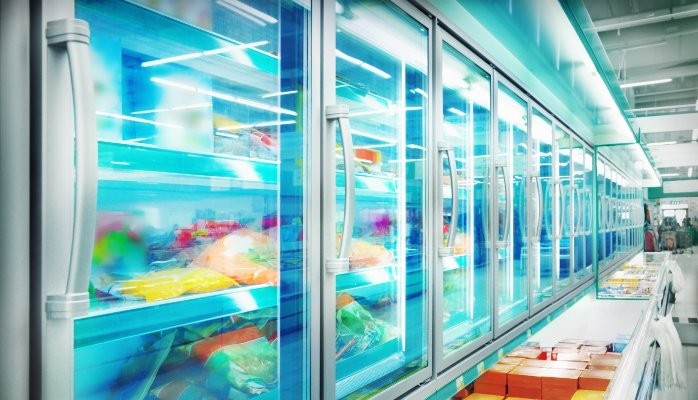
The problem… The food such as fruits, vegetables, meat, fish and other kinds, after harvest should be preserved and follow the growth process to be suitable for sale and consumption. The preservation of a food at a temperature lower than 15°C and higher the freezing start point is called freeze-preservation. The increase of the food-life through refrigeration is a result […]

Tags:

Energy Measurement – The First Step of Energy Saving

The problem… As is well known, the energy consumption, both in domestic and in business or industrial sector, is a very significant percentage of the total energy consumption. More specifically, the electricity consumption is the most important factor since it relates to the largest variety of devices. These devices cover basic and continuous needs such as lighting, heating & air-conditioning, […]

Tags:

Anti-corrosion protection in HVAC

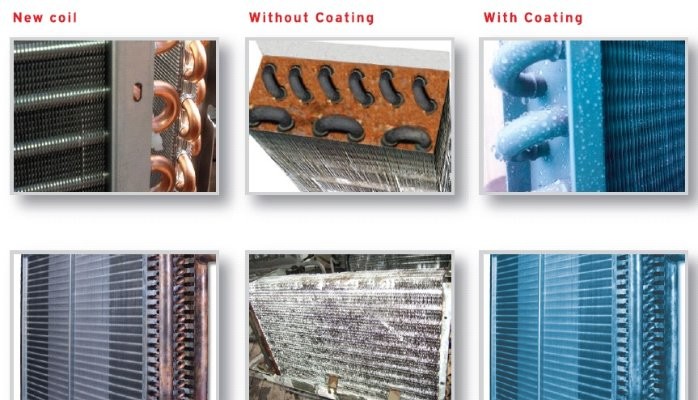
The problem… In HVAC equipment, exposure to various elements in the environment can lead to localized and/or general corrosion of condenser, heating and cooling coils and all metal parts. Such corrosions may come from sea water influence (even in 4km distance), chemical environments, dust and extremely high or low temperatures. The use of improperly protected components in corrosive locations may […]

Tags: